
South Africans speak often about healthcare reform. We debate universal health coverage, the National Health Insurance (NHI), shortages of healthcare professionals, inequitable access to services, and the urgent need for community-based care. Yet one of the country’s oldest, most accessible and most widely utilised health resources remains poorly understood, frequently misrepresented and seldom integrated into mainstream health policy discourse: Indigenous Health Sciences.
For too long, conversations about traditional health have been trapped between two extremes. On one side are romanticised portrayals that reduce indigenous healing to cultural symbolism. On the other are dismissive attitudes that regard indigenous knowledge as incompatible with modern healthcare. Both positions fail to appreciate a simple reality: Indigenous Health Sciences represent a sophisticated body of knowledge, practice and community-based healthcare that continues to serve millions of people across South Africa and the African continent.
The challenge before us is therefore not whether indigenous health systems exist or whether they matter. The challenge is whether we are prepared to engage them seriously as a legitimate field of health science and professional practice.
At the centre of this discussion lies an important distinction that is often overlooked.
Traditional Health is not merely a collection of remedies or healing techniques. It is a holistic health paradigm concerned with the promotion, protection, preservation and restoration of health and well-being. It recognises that human health is shaped not only by biological processes but also by psychological, social, environmental, cultural and spiritual determinants. In this respect, traditional health shares important common ground with contemporary public health approaches that increasingly recognise the importance of social determinants of health.
Every health system is built upon a knowledge foundation. For Indigenous Health Sciences, that foundation is found within Indigenous Health Knowledge Systems (IHKS).
IHKS encompasses the accumulated body of indigenous knowledge, philosophies, sciences, innovations and practices through which communities have understood health, illness, healing and human development across generations. These systems have evolved through centuries of observation, lived experience, cultural transmission and collective learning. They constitute an intellectual tradition that deserves to be studied, preserved, advanced and critically engaged, not simply inherited.
This distinction matters because knowledge systems and professional practice are not the same thing.
Just as medicine is grounded in biomedical sciences and social work is informed by social sciences, Traditional Health Practice (THP) represents the professional application of Indigenous Health Knowledge Systems. It is the ethical, accountable and structured application of indigenous health knowledge to promote health, prevent illness, support healing and strengthen community well-being.
A mature profession is not defined solely by what it knows. It is defined by how it applies that knowledge responsibly. This is why professional standards, competency frameworks, accreditation systems, ethical codes and mechanisms of public accountability are essential to the future development of Traditional Health Practice.
Equally important are the practitioners themselves.
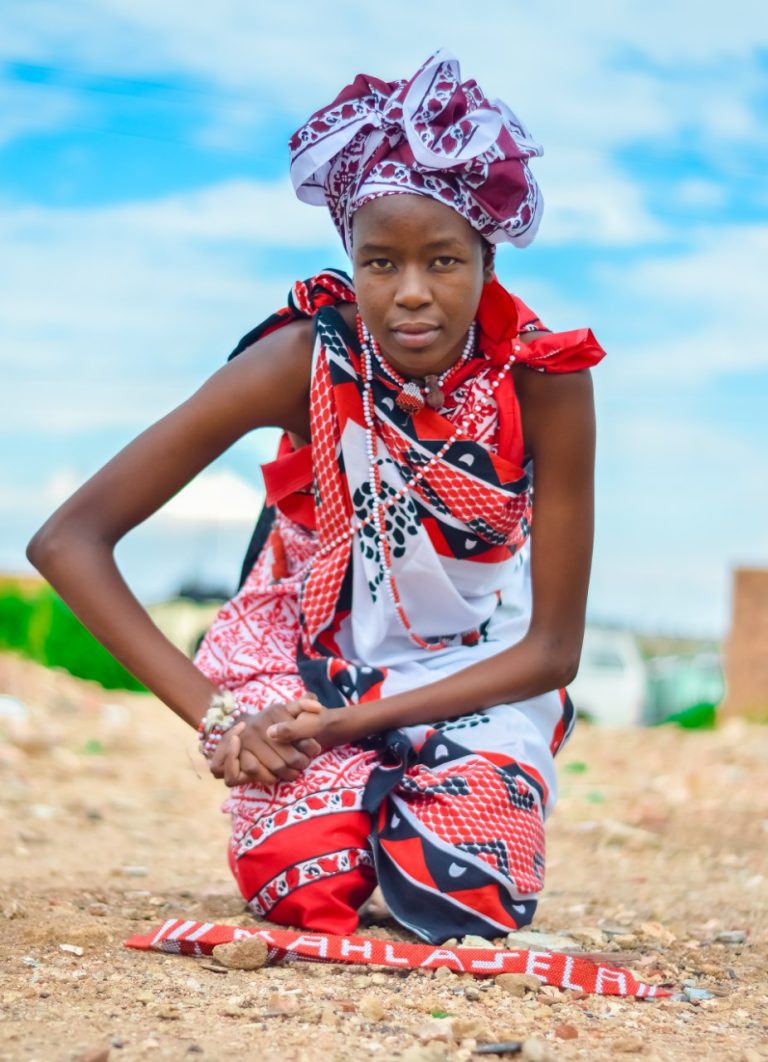
Traditional Health Practitioners (THPs) are often described simply as healers. While the term is widely understood, it is increasingly inadequate for capturing the breadth of their contemporary role. Many serve as health educators, community advisors, cultural practitioners, researchers, counsellors, advocates and custodians of indigenous knowledge. They operate at the intersection of health, culture, social development and community resilience.
In many communities, they remain among the most accessible sources of health support and guidance. Their contribution extends beyond the management of illness to encompass prevention, education, psychosocial support and the strengthening of social cohesion.
When viewed collectively, Traditional Health, Indigenous Health Knowledge Systems, Traditional Health Practice and Traditional Health Practitioners form the foundational pillars of what may properly be described as Indigenous Health Sciences.
This framing is more than a matter of terminology. It is a matter of epistemic justice.
For centuries, global health systems have privileged certain forms of knowledge while marginalising others. The result has often been the exclusion of indigenous voices from policy development, research agendas and professional regulation. Yet contemporary health challenges increasingly demand approaches that are culturally responsive, community-centred and grounded in local realities.
The future of healthcare will not be built through the dominance of one knowledge system over another. It will be built through respectful engagement, rigorous scholarship, professional accountability and meaningful collaboration across disciplines.
South Africa is uniquely positioned to lead this conversation. Our constitutional commitment to human dignity, cultural diversity and equality provides a strong foundation upon which Indigenous Health Sciences can be recognised, strengthened and responsibly integrated within broader health systems.
Recognition, however, must extend beyond symbolism.
It requires investment in education and training. It requires research institutions willing to engage indigenous knowledge on its own terms. It requires professional structures that uphold standards of competence and ethics. It requires policymakers who understand that healthcare innovation does not only emerge from laboratories and universities, but also from communities whose knowledge has been refined over generations.
The question is no longer whether Indigenous Health Sciences belong within South Africa’s health landscape.
They already do.
The real question is whether we are prepared to recognise them not as relics of the past, but as contributors to the future of equitable, accessible and people-centred healthcare.
As South Africa continues to reimagine its health system, Indigenous Health Sciences should not be viewed as an alternative to healthcare. They should be understood as an integral part of the broader health ecosystem — one that has the potential to enrich public health, strengthen communities and advance health justice for generations to come.