
Constitutionally Governed. Professionally Led.
The Traditional Health Practice Association of Southern Africa (THPASA NPC) is governed in accordance with its Constitution, the Expanded National Stabilisation and Reconstitution Programme (ENSRP) 2026–2031, applicable legislation, governance instruments, resolutions of the Association, and recognised principles of ethical, transparent and accountable institutional governance.
THPASA is committed to constitutional governance, professional accountability, administrative justice, ethical leadership, member participation, institutional sustainability, and the advancement of Traditional Health Practice and Indigenous Health Knowledge Systems throughout South Africa.
Constitutional and Governance Foundation
The governance architecture of THPASA is established in terms of:
- The THPASA Constitution (2026)
- The Expanded National Stabilisation and Reconstitution Programme (ENSRP) 2026–2031
- The Companies Act 71 of 2008
- The Promotion of Access to Information Act (PAIA)
- The Protection of Personal Information Act (POPIA)
- The Promotion of Administrative Justice Act (PAJA)
- Applicable governance, compliance and administrative legislation
The Constitution serves as the supreme governing instrument of the Association and establishes:
- Membership rights and responsibilities
- Governance structures and authority
- Leadership offices and mandates
- Ethics and disciplinary systems
- Administrative accountability mechanisms
- Organisational objectives and powers
- Transitional governance arrangements
- Democratic governance processes
Expanded National Stabilisation and Reconstitution Programme (ENSRP)
The ENSRP 2026–2031 serves as the principal institutional development framework guiding the rebuilding, stabilisation and long-term development of THPASA.
The Programme was adopted to strengthen governance systems, rebuild organisational capacity, institutionalise membership structures, advance professional standards, support Indigenous Health Knowledge Systems, and prepare the Association for full constitutional governance through a future National General Assembly.
The ENSRP is built upon six strategic pillars:
- Governance Stabilisation
- Membership Institutionalisation
- Professional Standards and Recognition
- Research and Indigenous Knowledge Systems
- Financial Sustainability
- National Organisational Infrastructure
Governance Principles
THPASA is guided by the following governance principles:
Accountability
All leaders, office bearers, members and administrative structures remain accountable for decisions, actions and institutional performance.
Transparency
Governance processes must be open, fair, documented and accessible.
Integrity
Ethical conduct, honesty and professionalism underpin all institutional activities.
Participation
Members are encouraged to participate in governance, organisational development and policy formation.
Administrative Justice
Administrative decisions must be lawful, reasonable, procedurally fair and subject to review where appropriate.
Sustainability
Governance decisions must promote the long-term interests of practitioners, communities and the Association.
Interim National Executive Committee (i-NEC)
The Interim National Executive Committee (i-NEC) constitutes the supreme transitional governance authority of THPASA pending democratic transition through a National General Assembly.
The i-NEC is responsible for:
- Constitutional governance and institutional stabilisation
- Strategic leadership and policy direction
- Governance oversight of provincial and local structures
- Ethics and disciplinary oversight
- Stakeholder engagement
- Institutional accountability
- Fiduciary and risk oversight
- ENSRP implementation
- Administrative justice oversight
- Professional governance and standards
National Office Bearers
President & Chief Executive Officer
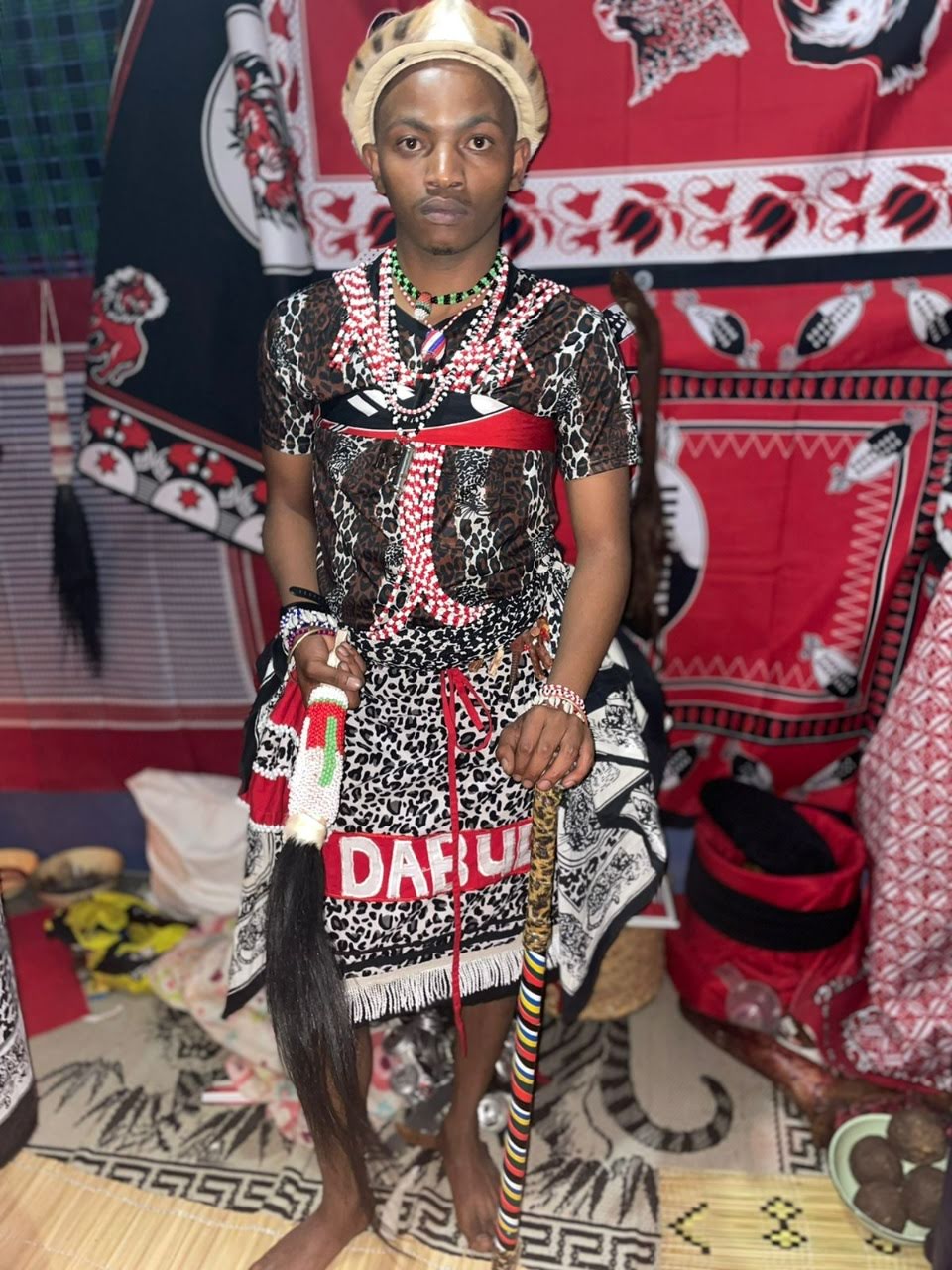
Dr Thabiso Edison Jameo Calvert, CS-THP(SA)
The President serves as the principal governance and political head of THPASA and provides strategic leadership, constitutional stewardship and institutional representation.
Additional responsibilities include:
- Chairperson of the National i-NEC and Board
- Executive Head of National Administration and Secretariat
- Registered Information Officer (IO)
- Ex-Officio Member of all Standing Committees
First Deputy President

Ms Sibongile Dalene Mahlangu, I-THP(SA)
Responsible for:
- Governance support
- Institutional development
- Ethics oversight
- Stakeholder coordination
Second Deputy President
Dr Refentse Sebothoma, SC-THP(SA)
Responsible for:
- Intergovernmental relations
- Membership mobilisation
- Provincial coordination
- Organisational development
Secretary-General
Dr Nokuzola Mngqolo
Responsible for:
- Constitutional administration
- Governance secretariat
- Institutional compliance
- Records management
Serves as a Designated Deputy Information Officer.
Deputy Secretary-General
Dr Christie van Zyl
Responsible for:
- Governance administration
- Committee coordination
- Institutional reporting
- Secretariat support
Treasurer-General & Chief Financial Officer
Dr Mbuso Mbatha
Responsible for:
- Financial governance
- Audit and risk management
- Procurement oversight
- Revenue administration
- Budgetary management
- Financial compliance
Deputy Treasurer-General
Vacant
To be filled in accordance with the Constitution and applicable governance procedures.
Provincial, District and Local Structures
THPASA operates through a multi-level governance framework comprising:
Provincial Executive Committees (PECs)
Responsible for provincial governance, membership mobilisation, stakeholder engagement and implementation of national policy.
District Executive Committees (DECs)
Responsible for district coordination, practitioner support and organisational development.
Local Practitioner Forums (LPFs)
Responsible for community engagement, practitioner participation, indigenous knowledge preservation and grassroots organisational development.
Provincial Chairpersons and Provincial Secretaries serve as Ex-Officio Members of the National i-NEC.
Governance and Administration
THPASA maintains a clear separation between governance authority and executive administration.
Governance Authority
The i-NEC provides strategic leadership, governance oversight and constitutional stewardship.
Executive Administration
The National Administration and Secretariat provide operational implementation, membership administration, financial administration, information governance, communications, research coordination and institutional support services.
Standing Committees of the i-NEC & Board
THPASA may establish standing committees including:
Governance & Institutional Committees
- Governance, Ethics & Constitutional Affairs Committee
- Institutional Planning, Strategy & ENSRP Oversight Committee
- Intergovernmental Relations & Public Policy Committee
- Provincial Coordination & Organisational Development Committee
- Legal, Regulatory & Legislative Affairs Committee
Finance & Risk Committees
- Finance, Audit & Risk Committee
- Procurement, Assets & Infrastructure Committee
- Revenue, Fundraising & Sustainability Committee
Professional Governance Committees
- Membership, Accreditation & Professional Standards Committee
- Education, Training, Research & CPD Committee
- Indigenous Knowledge Systems, Heritage & Cultural Affairs Committee
- Professional Ethics & Disciplinary Oversight Committee
Regulatory & Administrative Justice Committees
- PAIA, POPIA & Information Governance Committee
- Administrative Justice, Appeals & Dispute Resolution Committee
- Complaints, Investigations & Institutional Integrity Committee
Public Engagement Committees
- Public Relations, Media & Communications Committee
- Community Outreach, Public Health & Advocacy Committee
- Women, Youth, Disability & Transformation Committee
- International Relations & Strategic Partnerships Committee
Ethics, Compliance & Accountability
THPASA promotes professional integrity through:
- Codes of Conduct
- Ethics frameworks
- Professional standards
- Complaints procedures
- Investigations processes
- Disciplinary systems
- Appeals and review mechanisms
- Administrative justice safeguards
Information Governance & Compliance
THPASA is committed to lawful and responsible information governance in accordance with PAIA and POPIA.
The Association maintains governance structures responsible for:
- Information access compliance
- Data protection
- Privacy governance
- Cybersecurity oversight
- Records management
- Information governance accountability
Institutional Commitment
THPASA remains committed to ethical governance, constitutional accountability, Indigenous Health Knowledge Systems stewardship, practitioner development, institutional sustainability and the advancement of Traditional Health Practice throughout South Africa.