
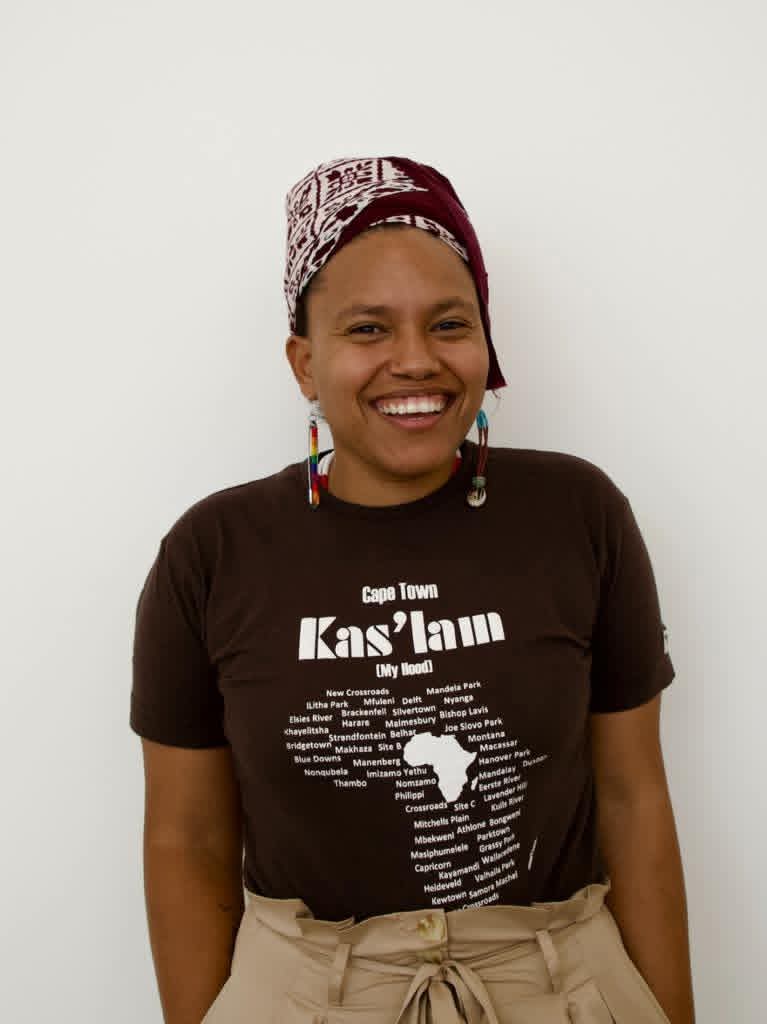

The appointment of Dr Christie van Zyl as Spiritual Support Practitioner at the University of the Free State (UFS) is being viewed by many within the Indigenous Health Knowledge Systems (IHKS) sector as a significant development in the evolving relationship between higher education and indigenous healing traditions.
Van Zyl, who serves as Deputy Secretary-General of the Traditional Health Practice Association of Southern Africa NPC (THPASA) in a voluntary capacity, joins the university’s Student Counselling and Development division at a time when institutions across South Africa are increasingly examining how student support services can respond to diverse cultural, spiritual, and psychosocial realities.
According to the university, the position was created in response to a growing number of students seeking support related to indigenous spirituality and ancestral callings. The role forms part of the institution’s broader wellness strategy and aims to complement existing counselling and development services available to students across its campuses.
For many practitioners of indigenous healing traditions, the appointment represents more than the creation of a new support function.
THPASA President Dr Jameo Calvert, SC-THP(SA), said the development demonstrates a growing willingness among higher education institutions to engage with indigenous knowledge systems in practical and meaningful ways.
“South African universities are increasingly confronted with the reality that students bring diverse cultural and spiritual experiences into academic spaces,” said Calvert.
“The challenge for institutions is how to respond to those realities in a manner that is both academically responsible and culturally relevant. The appointment of a practitioner with expertise in indigenous spirituality signals an important step in that direction.”
The inclusion of indigenous spiritual support within university wellness structures reflects broader debates taking place within South African higher education. Over the past decade, questions relating to decolonisation, knowledge diversity, cultural inclusion, and student wellbeing have become increasingly prominent within academic discourse.
Within this context, Indigenous Health Knowledge Systems have attracted growing interest from researchers, policymakers, healthcare practitioners, and universities seeking to better understand indigenous approaches to health, healing, and psychosocial support.
While conventional student support services remain central to university wellness programmes, some institutions have begun exploring complementary approaches that acknowledge the cultural frameworks through which students interpret their experiences.
Calvert noted that ancestral callings and related spiritual experiences are often discussed within communities but remain poorly understood within many formal institutional environments.
“Students navigating these experiences frequently find themselves at the intersection of multiple systems of understanding,” he said.
“Universities have an opportunity to create environments where students can access appropriate support without having to choose between their educational aspirations and their cultural identities.”
Van Zyl brings more than a decade of experience in indigenous wellness practice and has previously contributed to initiatives focused on indigenous health support within the higher education sector. Her academic work has also explored the relationship between psychosocial stress, spirituality, and mental health.
For THPASA, the appointment reflects a broader shift in how indigenous practitioners are being engaged within public institutions.
The association has long advocated for greater recognition of indigenous health knowledge and for meaningful collaboration between traditional practitioners, researchers, policymakers, and other health professionals.
Although the long-term impact of the UFS initiative remains to be seen, sector leaders believe the development may provide valuable insights into how indigenous spiritual support can be incorporated into student wellness programmes in a manner that is ethical, professional, and responsive to student needs.
As South African universities continue to grapple with questions of inclusion, transformation, and student wellbeing, the UFS appointment may serve as an important case study in the practical application of Indigenous Health Knowledge Systems within contemporary institutional settings.
For THPASA and many practitioners across the country, it is a development that will be followed with considerable interest.
Editor’s Note: Dr Christie van Zyl serves as Deputy Secretary-General of THPASA on a voluntary basis. Her appointment at the University of the Free State is independent of her role within the Association.
